Artificial Ivy Strands: Fashion and Decor Innovation


Intro
Artificial ivy strands have been making waves in both fashion and interior design lately, carving a niche that might surprise even seasoned trendsetters. They bring a touch of nature without the hassle of upkeep, making them an indispensable accessory for those looking to infuse a bit of life into their wardrobe or living spaces.
This article unpacks the myriad ways these strands can be utilized, from enhancing clothing styles to transforming home decor. As you'll see, understanding their material composition, aesthetic appeal, and implications for sustainability can give us a whole new perspective on these versatile pieces. Join us as we journey through the fascinating landscape of artificial ivy strands and discover why they’ve become a go-to choice for many designers and consumers alike.
Intro to Artificial Ivy Strands
The inclusion of artificial ivy strands in various fashion and decor realms is not just a trend—it's a versatile movement reflecting changing aesthetics and practical needs. The notion of incorporating greenery into spaces and outfits has progressed beyond mere fashion statements; it represents a deep-rooted desire for connection with nature in our increasingly urbanized lives. Understanding artificial ivy strands can provide insights into contemporary design issues, consumer preferences, and even environmental considerations.
In this article, we will dive into the defining characteristics of artificial ivy, tracing its historical roots and evolution through the ages. The discussion will cover the materials from which these strands are fashioned, the aesthetic benefits of using them, and their remarkable versatility in both fashion and home decor.
By shining a light on artificial ivy's unique benefits, we can appreciate how they create dynamic and lush environments without the accompanying maintenance challenges that real plants require. In doing so, it’s important to understand that while these strands bring considerable visual appeal, they also come with their own set of considerations that designers and consumers must weigh.
"Artificial ivy strands present a practical solution to aesthetics, providing charm and warmth while often requiring minimal upkeep."
The viability of artificial ivy strands extends into various sectors, allowing us to blend nature’s beauty with modern designs seamlessly. Whether a fashion enthusiast looking to add depth to an outfit or a decorator aiming to enliven a space, the applications of artificial ivy are as numerous as they are intriguing.
Additionally, we will assess the ongoing dialogue regarding the sustainability of these products compared to their natural counterparts. By exploring these themes, we hope to furnish readers not only with inspiration but with a nuanced understanding of artificial ivy strands that engages both the heart and mind.
Material Composition of Artificial Ivy Strands
Understanding the material composition of artificial ivy strands is essential to appreciate their versatility in fashion and home décor. The choice of materials directly impacts the overall realism, durability, and aesthetic appeal of these products. As consumers become more discerning in their choices, it's vital to delve deeper into what makes these artificial strands both functional and attractive.
Types of Materials Used
Artificial ivy strands are typically composed of various synthetic materials designed to mimic the appearance of natural ivy. Here are several key materials commonly utilized in their production:
- Polyethylene (PE): A widely used plastic, PE is favored for its malleability and weather resistance. This makes it ideal for both indoor and outdoor applications.
- Polyvinyl Chloride (PVC): Another popular option, PVC offers a more rigid form, allowing for structural integrity in designs. It can be finished with various textures to imitate the intricate surface of real leaves.
- Silk and Fabric Blends: For those seeking a touch of elegance, silk blends might be used. These can enhance the tactile sensations while maintaining a degree of realism.
- Foam Materials: Adding thickness and a soft feel, foam can be used for detail work, enriching the visual and tactile appeal of the strands.
Each of these materials plays a unique role in achieving an authentic look without the upkeep associated with live plants.
Durability and Longevity
One of the considerable advantages of artificial ivy strands lies in their durability. When scrutinizing longevity, several factors come into play:
- Weather Resistance: Unlike real ivy, artificial versions can withstand the harshness of outdoor elements. This durability enables their use in varied settings, including patios and gardens.
- Fading Slippage: High-quality artificial ivies are designed to resist UV rays, preventing fading and color loss over time. Consumers are increasingly opting for materials that maintain their vibrant hues despite sun exposure.
- Low Maintenance Requirements: With no watering, trimming, or reshaping needed, these artificial strands offer a worry-free green solution.
While considering the longevity of artificial ivy strands, it's essential to note that quality matters. Investing in higher-end products will undoubtedly yield better results concerning life span and overall appearance.
In summary, the material composition and durability of artificial ivy strands are pivotal attributes that cater to the practical needs and aesthetic desires of modern consumers. These artificial elements provide a viable alternative to natural greenery, allowing for creative freedom in both fashion and interior design.
Aesthetic Benefits
The allure of artificial ivy strands lies significantly in their aesthetic benefits. By enhancing spaces in both fashion and decor, these strands imbue environments with a sense of vitality and natural elegance. The visual appeal of artificial ivy is not merely a matter of looks; it stretches into how these elements coalesce with surroundings, setting the mood and character of a space or an outfit.
Enhancing Visual Appeal
Artificial ivy strands are crucial in creating a lush atmosphere. Their rich green hues and intricate leaf shapes mimic real foliage, providing instant enhancement to any visual space. When used in decor, these strands can transform drab corners into vibrant focal points. For instance, a simple artificial ivy draping over a bookshelf adds depth and warmth, making it inviting and visually interesting.
In fashion, these ivy strands can play a vital role too. Picture a statement piece, like a dress featuring delicate ivy embroidery—such details can elevate a basic garment, turning it into a striking work of wearable art. Not only are these ivy strands visually appealing, but they can also serve as conversation starters. Fashion enthusiasts often value unique elements, and artificial ivy has cleverly found its way into their garments as a trendy and artistic feature.
Quote: *
Applications in Fashion
The realm of fashion has always been about innovation, creativity, and the ability to push boundaries. Amidst the ever-evolving trends, artificial ivy strands are carving out a notable niche. They are not just for decoration; their applications extend to clothing, accessories, and more, making them essential elements in contemporary fashion. The importance of integrating these striking strands into fashion cannot be understated. They offer a blend of aesthetic appeal, versatility, and a touch of nature without the upkeep associated with real plants.
Besides accentuating an outfit, artificial ivy can convey a message, making it meaningful in ways that resonate with wearers and observers alike. As designers seek new ways to incorporate eco-friendly materials into their collections, artificial ivy provides a sustainable alternative that doesn’t compromise on style. It also speaks to consumers’ growing awareness of sustainability and ethical production, fostering a conscious approach in the industry.
Use in Clothing and Accessories
Artificial ivy strands have emerged as a statement-making option in clothing design, appearing in various formats—from embellishments to fabric prints. Imagine a dress adorned with delicate ivy leaves, or a handbag featuring cascading ivy accents. These strands can turn a simple outfit into something striking and memorable. They allow for unique designs that break free from traditional fabrics and textures, inviting an eco-chic aesthetic.
Some notable applications include:
- Embroidery: Ivy designs stitched into garments create a sophisticated, natural look.
- Accents: Used on collars, cuffs, or hems, they add layers of interest.
- Accessories: From shoes to jewelry, artificial ivy can adorn items that lack a natural element.
The potential is limitless with creativity at the helm. Many fashion enthusiasts appreciate these strands not just for their beauty but for their durability, allowing their statement pieces to be frequently worn without fading or falling apart.
Incorporating Ivy in Fashion Shows
Fashion shows are the epicenters of style theory, and incorporating artificial ivy can enhance the runway experience dramatically. Designers have begun to realize that the addition of ivy not only serves as a stunning backdrop but also brings life to the garments being showcased.
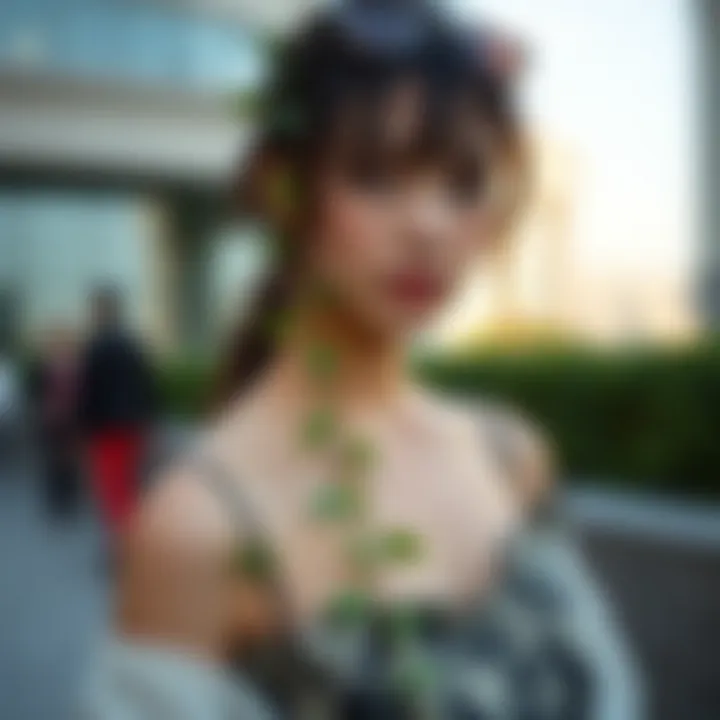
At a recent runway event, a collection featured models adorned with flowing gowns layered with ivy, which danced in the breeze. This illustration of nature intertwined with fashion captured the essence of harmony between style and environment. To incorporate ivy effectively, here’s what designers consider:
- Backdrop Design: Creating a lush environment behind models accentuates the overall presentation.
- Interactive Elements: Incorporating moving ivy strands can create a dynamic visual effect during the show.
- Themes: Designing collections around an ivy motif provides coherence and adds depth to the presentation.
"Nature and design can become one. In a world so rooted in digital perception, weaving in authentic elements like ivy captures a profound balance."
Integration in Home Decor
Integrating artificial ivy strands into home decor is not just an aesthetic choice; it carries significant implications for the overall ambiance and character of a space. These strands act as unifying elements that can transform a room into a vibrant oasis. Unlike mere decorative items that fade into the background, artificial ivy can breathe life and a sense of nature’s beauty into interiors. Given their versatility, they can be adapted to various styles, from modern minimalist to classic rustic.
Creating Lush Environments
Artificial ivy strands are a brilliant tool for creating lush environments indoors. With their vivid green hues and graceful tendrils, they bring a freshness and warmth that is often missing in conventional decor. For instance, imagine a living room bathed in gentle sunlight where the ivy strands spill over from a shelf, their leaves cascading elegantly. This illusion of an extension of nature right into one’s living space can be achieved without the hassle of watering or worrying about sunlight.
The benefits extend beyond mere appearance. These decorations can dampen noise, making a room feel more intimate and cozy. Homeowners aiming to create a calming environment often find that adding greenery—artificial or not—helps in achieving that sought-after peace and quiet. Additionally, they can strategically place these strands to frame windows or highlight artworks, making the decor feel well thought-out and polished.
Permanent vs. Natural Greenery
There’s an ongoing debate between the merits of using permanent greenery, such as artificial ivy strands, versus the real deal. While natural plants undoubtedly bring life and atmosphere, they come with unique challenges: watering schedules, pruning, and the ever-persistent battle with pests. Artificial ivy eliminates these worries, offering an attractive alternative that persists in beauty through all seasons.
On the other hand, one cannot dismiss the ecological impact that artificial options might have. They sometimes get a bad rap for being non-biodegradable. However, advancements in materials mean that many artificial products are more eco-friendly than before. Often made from recyclable plastics, modern artificial ivy strands can be a responsible choice. Moreover, they offer a consistent look, unaffected by seasonal changes, allowing for a cohesive aesthetic throughout the year.
"Artificial ivy brings the beauty of nature indoors without the upkeep. A curated environment showcases personality while embracing the charm of foliage."
To conclude, the integration of artificial ivy strands into home decor serves a dual purpose: enhancing the visual appeal while also providing practical benefits. Whether crafting a lush atmosphere or opting for maintenance-free greenery, these strands represent a marriage of style and substance in modern interior design.
Sustainability and Environmental Impact
In today's age, where environmental consciousness is more crucial than ever, examining the sustainability and impact of materials used in fashion and decor is necessary. Artificial ivy strands, despite being crafted from synthetic resources, may possess advantageous qualities when considering their ecological footprint compared to their natural counterparts. Let’s unpack this idea further.
Comparing Artificial and Natural Plants
To better grasp the sustainability aspect, one has to compare artificial ivy with real ivy. Natural plants rely on extensive resources to grow, including soil, water, and sunlight, and they often take years to mature. On the other hand, artificial ivy strands require only an initial resource commitment for manufacturing.
- Resource Efficiency: Artificial ivy doesn’t need ongoing watering, pruning, or fertilizers. This absence of additional maintenance can lead to significant water savings. As the world grapples with droughts and water shortages, this efficiency should not be overlooked.
- Longevity: The durability of artificial ivy strands often means they make for a long-term investment. In contrast, real plants have a limited lifespan based on their growth environment. Once an artificial vine is produced, it can last several years with simple upkeep.
- Allergen-Free: Another advantage that shouldn’t be tucked under the rug is that artificial ivy doesn’t trigger allergies, which can often come with genuine plants. No mold or dust accumulation means a healthier indoor environment for allergy sufferers.
"Artificial ivy offers an opportunity to enhance spaces sustainably, blending aesthetics with eco-friendly practices that don’t require constant upkeep."
Manufacturing Processes
Delving into the manufacturing process of artificial ivy strands reveals further insights into its environmental implications. While some may see the creation of synthetic materials as inherently damaging, many companies are now adopting practices that lessen environmental impacts.
- Materials Used: Artificial ivy is generally made of polyethylene, PVC, and other synthetic fibers. Manufacturers are increasingly considering eco-friendly alternatives like recycled plastics. This shift not only reduces waste but can also repurpose existing materials that would otherwise contribute to pollution.
- Production Practices: Many companies have adopted greener production methods that minimize energy consumption by utilizing renewable energy sources and streamlining their operations. This helps to lower carbon emissions during manufacturing, setting a new standard that balances creative design with environmental responsibilty.
- Waste Management: Responsible manufacturers today also implement waste management practices that recycle excess materials or search for creative ways to repurpose them, minimizing the ecological footprint even further.
Each step of the process, from sourcing materials to the final product, plays a role in determining the overall impact of artificial ivy strands on the environment. As awareness grows among consumers about the importance of sustainability, those looking to incorporate these materials into fashion or decor can do so with a more informed perspective.
Comparison with Natural Ivy
When discussing the realm of decor and fashion, understanding the interplay between artificial ivy strands and their natural counterparts is vital. This comparison not only reflects consumer choices but also influences the market trends and acceptance of synthetic materials in design. Recognizing the strengths and weaknesses of both can guide designers and consumers alike in making informed decisions.
Benefits of Artificial Over Natural
Using artificial ivy strands has distinct advantages worth highlighting. One of the most compelling is durability. Where natural ivy requires regular watering and care, artificial options remain vibrant without any input. They're resilient to fading over time, allowing them to hold their aesthetic appeal in various settings, from bustling runways to intimate home environments.
- No Allergens: For people sensitive to pollen or other allergens, artificial ivy provides an attractive option without the sneeze-inducing side effects.
- No Seasonal Restrictions: Natural plants tend to go through stages; they lose leaves, and flowers wilt. Artificial ivy, however, never changes. It keeps your environment lush year-round.
- Lower Maintenance: With no need for soil, water, or sunlight, maintaining a decorative look becomes simplistically straightforward. Simply dust them off occasionally, and they’re good as new.
Moreover, artificial ivy allows for an expansion of creative possibilities. Designers can manipulate the form, size, and color in ways that natural plants cannot. For example, one might find sheen finishes or bold color variations in artificial strands that make specific statements in design projects, enhancing overall visual narratives.
Limitations of Artificial Ivy Strands
Despite the clear benefits, it's essential to approach artificial ivy with a critical eye. There are limitations that one should consider.
- Lack of Authenticity: While artificial ivy can look decent, it often lacks the authenticity and variability that real plants showcase. The unique imperfections found in nature’s handiwork create a warmth and organic feel that synthetic materials occasionally fail to replicate fully.
- Environmental Footprint: Though considered eco-friendly in some aspects, the production of synthetic materials has its environmental footprint. The plastics and chemicals used to manufacture these items may be harmful to the environment, posing a concern for sustainability-conscious consumers, especially when considering long-term disposal.
- Limited Longevity When Stored: Unlike natural ivy, which can degrade naturally over time, poorly made artificial versions may not endure storage conditions well. Over time, certain structural features may collapse, or colors may fade.
"In the world of design, informed choices are the key to creating spaces that truly resonate with intent."
By advancing discussions on the merits of both artificial and natural ivy, stakeholders can explore innovative ways to incorporate them effectively, thus enriching the design landscape for future endeavors.
Maintenance Considerations
When it comes to artificial ivy strands, maintenance considerations play a pivotal role in their longevity and overall appearance. Proper care ensures that these decorative elements continue to serve their purpose without losing charm or allure. Those involved in fashion and decor must recognize the significance of maintaining these strands, making it a crucial topic in this discussion.
Cleaning and Care
Artificial ivy strands, while more resilient than their natural counterparts, still require attention to keep them looking fresh. It's essential to dust them regularly to prevent the accumulation of dirt and grime. A gentle wipe with a damp cloth can do wonders, ensuring that every leaf shines in its full glory. Some methods for cleaning include:
- Use a soft cloth: Avoid anything too abrasive, as this can scratch or damage the surface of the material.
- Mild soap and water solution: For more stubborn stains, create a solution using a few drops of mild dish soap mixed with water and apply it with a cloth.
- Regular inspections: Checking the strands for signs of wear or tearing can save you from needing replacements too soon.
"A little upkeep goes a long way. Treat artificial ivy with care, and it will elevate spaces for years to come."
By engaging in a simple cleaning routine, individuals can maintain the aesthetics of their artificial ivy strands and enhance their ability to blend seamlessly into varied environments.
Storage Practices


When it comes to storing artificial ivy strands, especially during off-seasons, doing it right can prevent damage and deformation. Here are some strategies for ensuring that these strands stay in optimal condition:
- Keep in a cool, dry place: Moisture can lead to mold or mildew, so ensure that they are stored in conditions that prevent dampness.
- Avoid crushing: When storing, avoid placing heavy items on top of the strands, as this can lead to compression and misalignment of leaves.
- Use storage bins or boxes: Ideally, a sturdy container can protect the strands from dust while keeping them neatly arranged.
- Wrapping: If the ivy is particularly voluminous, consider loosely wrapping it with a soft material to hold its form without creating pressure points.
By adhering to these storage practices, you will not only extend the lifespan of your artificial ivy strands but also preserve their beauty, allowing them to enhance your design vision whenever they are called upon.
Consumer Insights
Understanding consumer insights is crucial when dissecting the role of artificial ivy strands in fashion and decor. In a rapidly evolving market, recognizing the preferences and behaviors of consumers can directly influence product design, marketing strategies, and inventory management. This knowledge allows designers to create offerings that not only resonate aesthetically but also meet practical needs, elevating the overall market potential.
Artificial ivy strands embody more than just trends; they reflect shifts in how consumers perceive luxury, nature, and sustainability. As society gravitates towards options that are aesthetically pleasing yet low-maintenance, the demand for artificial ivy expands, becoming a staple in both fashion and interior design.
Trends in Consumer Preferences
The preferences of consumers are influenced by various factors, including lifestyle, environmental consciousness, and aesthetic values. In recent years, a notable trend has emerged favoring sustainable practices without compromising on style. Shoppers increasingly gravitate towards artificial ivy because it offers the lush aesthetics of real plants without the upkeep. Some specific trends observed include:
- Aesthetic Versatility: Consumers appreciate the ability of artificial ivy to blend into various design schemes. From bohemian to minimalist, the strands serve as a flexible decorative element.
- Environmental Considerations: Many buyers are drawn to products that offer eco-friendly advantages. Artificial ivy represents a guilt-free alternative for those who love plants but want to avoid the environmental impact associated with their cultivation and maintenance.
- Affordability and Accessibility: Financial factors play a role too. Artificial ivy typically comes at a more reasonable price point over time compared to fresh greenery that requires continuous purchases.
Impact on Market Demand
The growing interest in artificial ivy strands has notably influenced market demand, showcasing a shift in both consumer behavior and industry dynamics. Retailers and designers who once overlooked these products are now recognizing their potential, leading to a surge in availability.
This heightened demand can be summarized through several impacts:
- Increased Product Variety: As market demand expands, manufacturers respond by developing a wider range of artificial ivy products, including varied styles, colors, and methods of integration in both fashion and decor.
- Market Positioning: Retailers incorporate artificial ivy strands into their core offerings, positioning these products as must-have items for style-conscious consumers. This strategic placement contributes to stronger sales performances, especially in home decor sections.
- Targeted Marketing: Understanding the social influence and discussions surrounding artificial ivy on platforms like Instagram and Pinterest enables brands to refine their marketing approaches, tailoring their messages to meet consumer aspirations more effectively.
"As consumer preferences evolve, so does the landscape of design and decor, promoting innovations that align with modern values."
In summation, consumer insights are fundamental to grasping the vital role artificial ivy strands play within today's fashion and decor landscape. By catering to the changing tides of preference and demand, manufacturers and designers can harness opportunities to create products that resonate well with discerning consumers.
Future Trends in Artificial Ivy Usage
The discussion about artificial ivy strands does not merely hover around their present-day applications; it ventures into what the future holds for these versatile elements. As we chart the course for the trends that lie ahead, several factors come into play. Designers, retailers, and even home decorators are keen on leveraging innovations that could reshape their craft in style and function. The significance of this topic lies in understanding how technological advancements and evolving consumer preferences will influence the adoption of artificial ivy in various spheres.
Innovations in Material Technology
Material technology is at the forefront of driving changes in the artificial ivy landscape. Traditional synthetic materials often lack the realistic textures and resilient characteristics desired by modern consumers. This has led to a wave of innovations focused on creating more life-like and sustainable products. Recent developments are steering efforts towards materials that not just mimic the aesthetics of natural ivy but also come with enhanced durability and ease of maintenance.
One notable example is the use of biodegradable plastics mixed with advanced polymers. The end product not only retains the lush appearance of real ivy but biodegrades under specific conditions, aligning with sustainability goals. Moreover, advancements in color-fast technology ensure that these artificial vines maintain their hue and vibrancy, even as the seasons change.
Additionally, the emergence of 3D printing technology in manufacturing artificial ivy presents a groundbreaking opportunity. Designers can create customized pieces tailored to specific projects, offering unique patterns and shapes that were previously difficult to achieve. With this approach, the versatility of artificial ivy strands extends beyond mere decoration; they can be personalized works of art.
Expanding Applications in Various Industries
The versatility of artificial ivy strands is pushing their boundaries into numerous industries beyond home décor and fashion. For instance, the hospitality industry is harnessing artificial foliage to create visually appealing spaces that resonate with nature, enhancing guest experiences without the upkeep of live plants. Hotels and restaurants are increasingly opting for these solutions in both indoor and outdoor settings, creating lush atmospheres that invite guests to linger longer.
In advertisement and marketing, event planners and brands are turning to artificial ivy for immersive experiences. Think of pop-up events that transport visitors to whimsical enchantments or corporate spaces that reflect a company’s eco-conscious identity. This adaptability makes it a go-to choice for creating themed environments that capture attention and foster engagement through visual storytelling.
Furthermore, in the field of fashion design, the potential of artificial ivy continues to grow. Upcoming collections are expected to feature these strands not just as accessories but as integral components of the garments themselves. From ivy-infused textiles to unique embellishments, the possibilities are exhilaratingly broad.
The future of artificial ivy strands appears to ride a wave of innovation and broad applicability, carving out new niches and opportunities for designers and manufacturers alike. As these trends unfold, they can possibly reshape the conversations around artificial greenery, making them not just a choice for decoration, but a thoughtful resource in various realms.
Case Studies
Case studies serve as a pivotal element in understanding the real-world impact and effectiveness of artificial ivy strands in various sectors, particularly in fashion and decor. By examining specific implementations, we can glean insights into how these versatile materials have been used creatively and efficiently, ultimately providing proof of their practical benefits and aesthetic appeal. Furthermore, such examples illuminate trends that may inspire future designs and applications. Here, we explore noteworthy cases that highlight the transformative potential of artificial ivy.
Successful Implementations in Fashion
Artificial ivy strands have found their way into the world of fashion, showcasing their adaptability and aesthetic charm. One prime example is the collaboration between renowned designer Chanel and textile innovator Ehlers. They introduced an exclusive collection where artificial ivy strands adorned garments, adding a touch of lush greenery to the runway. This bold move not only caught the eyes of fashion critics, but also elevated sustainability discussions within the industry, as artificial foliage offers a longer-lasting alternative to fresh plants that may wilt quickly.
Another case involved a small boutique in Brooklyn that launched a campaign, "Ivy for All Seasons." This initiative promoted the use of artificial ivy in everyday wearables, like jackets and bags. Through pop-up events, customers engaged with the product, and feedback highlighted the ease of care—no watering required! The crossover appeal of ivy in fashion garments exemplifies the merge of nature-inspired aesthetics with functional wear.
"The connection to nature is vital, especially in urban environments. Artificial ivy allows me to bring a piece of that into my daily life." - Fashion Enthusiast
Notable Decor Projects Using Artificial Ivy
In the realm of interior decoration, artificial ivy strands have demonstrated significant value through various projects, transforming spaces in innovative ways. One standout is a chic cafe in San Francisco that opted for an artificial ivy wall installation. This feature not only enhanced the decor but also acted as a sound absorber, creating an inviting atmosphere. Customers lounged amidst greenery without the troubles of maintaining live plants, thus increasing the establishment's appeal.
Similarly, a high-end hotel in Miami showcased artificial ivy cascading from their lobby's ceiling. This dramatic design choice attracted attention, serving as an Instagram hotspot that drew in guests eager to share their experience online. The installation proved to be low-maintenance, allowing the hotel to focus on providing exceptional service rather than worrying about plant upkeep.
In addition, a scenic garden business utilized artificial ivy strands for wedding ceremonies, creating archways and table decor that looked effortlessly romantic. With the popularity of outdoor weddings, these strands provided a lush background without the hassle of wilting flowers, ensuring an everlasting beauty that couples cherished in their memories and photos.
Overall, these case studies not only emphasize the remarkable versatility of artificial ivy strands but also illustrate their potential to inspire creativity and innovation across multiple fields.
Expert Opinions
The realm of artificial ivy is steeped in varied perspectives from designers and environmentalists, both of whom lend their unique insights into the relevance and application of these versatile strands. Their opinions are crucial in shaping how consumers perceive artificial ivy in terms of aesthetics, functionality, and sustainability. These insights not only enlighten designers on trends affecting their work but also provide environmentalists with a platform to voice considerations for sustainability in product usage and production.
Insights from Designers
Designers play a pivotal role in promoting the integration of artificial ivy strands into fashion and decor. When asked about the artistic appeal of such materials, many cite the ability of artificial ivy to bring an organic touch to various aesthetics without the time and effort needed to maintain natural plants.
- Creativity Unleashed: Designers have expressed that artificial ivy allows them to push boundaries, using these strands in innovative ways. From fashion shows that utilize ivy-covered dresses to home decor featuring ivy-laden walls, the possibilities are endless.
- Color & Texture: The vibrancy and texture of these artificial pieces provide a new palette for designers, standing out in a world where natural alternatives come with limitations like seasonal availability.
- Trend Adaptability: Many designers appreciate how artificial ivy can be included in various seasonal styles, allowing for versatile use in multiple collections throughout the year. This adaptability makes them a staple in many designers’ repertoire.
In a recent interview, a novice designer emphasized, > "Artificial ivy is like a blank canvas; it lets my imagination run wild without the constraints of what nature can realistically provide." Thus, the expertise and insights from designers highlight not just the aesthetic benefits of artificial ivy but its power as a tool for innovation.
Thoughts from Environmentalists
While designers revel in the creativity that artificial ivy provides, environmentalists approach the topic with an eye towards sustainability. Their opinions often spotlight the environmental impacts associated with both the use and production of these materials.
- Sustainability Concerns: Environmental advocates will often emphasize the importance of selecting eco-friendly artificial ivy strands. For instance, there are brands that use recycled or biodegradable materials, which can minimize harm when compared to non-biodegradable counterparts.
- Comparative Analysis: When discussing artificial versus natural, many environmentalists regularly point out that while artificial ivy does not contribute to biodiversity, it eliminates the need for cutting down live plants that might be crucial to their ecosystems. The sentiment often conveyed is that in moderation, using artificial ivy can be seen as a trade-off—less impact on living plants in exchange for the convenience of maintaining decor and design rights.
- Educating Consumers: They warn, however, of the potential pitfalls of relying solely on artificial materials. Some environmentalists advocate for a balanced approach, encouraging the inclusion of natural plants alongside artificial ones to foster understanding about real ecosystems.
Thus, the thoughts of environmentalists pave a path toward more conscientious consumption, impacting how brands and consumers alike make their choices around artificial ivy. In the end, it’s not simply about aesthetics or convenience—it’s about making mindful decisions toward sustainability in the fashion and decor industries.
Cultural Representation
Cultural representation plays a critical role in understanding the multifaceted significance of artificial ivy strands. These decorative elements are not merely ornamental; they carry rich histories and embody various meanings across different civilizations. Recognizing the cultural perspectives surrounding ivy can enhance design decisions, inspired methods of incorporating these strands into fashion or decor, and allow for a deeper appreciation of their aesthetic and symbolic values. Considering how designers, retailers, and enthusiasts approach this topic enriches their work and invites a more authentic engagement with both consumers and cultural narratives.
Symbolism of Ivy in Different Cultures
Ivy has woven itself into the fabric of various cultures throughout history. In ancient Greece, for instance, ivy was associated with Bacchus, the god of wine, representing joy and celebration. This symbolism continues to influence modern interpretations and applications of ivy in art and design. Furthermore, in Celtic traditions, ivy signifies fidelity and strong emotions. Hence, it often appears in wedding decor, symbolizing lasting commitment between partners.
In Eastern cultures, particularly in Chinese symbolism, ivy is a sign of growth, continuity, and resilience. The twisting nature of the ivy vine serves as a powerful metaphor for the journey of life, adapting and overcoming challenges. This versatility gives artificial ivy strands the potential to resonate with diverse audiences, offering something for everyone. By integrating these cultural meanings into designs, one can create enriched narratives that resonate more deeply with consumers.
Influence of Ivy in Art and Literature
The influence of ivy extends beyond mere decoration; it has been immortalized in literature and art throughout centuries. Artists such as Gustav Klimt used ivy to cloak figures, hiding them in foliage to express complex themes of identity and secrecy. Similarly, ivy finds its way into poetry, representing both love and the passage of time due to its tendency to climb and entwine.
In contemporary literature, ivy often signifies the intricate relationships between characters, underpinning themes of entrapment, growth, and connection. As artificial ivy strands gain traction in fashion and decor, they begin to redefine how these symbolic meanings manifest in the present day.
Integrating references to ivy in design pieces not only honors its storied past but also allows for an artistic dialogue that engages consumers on a deeper level. It invites them to consider the narrative possibilities of a simple decorative item and how that item can encompass a wealth of cultural significance—a thought-provoking approach worth considering for modern designers.
"Ivy, with its cascading vines and tenacious nature, serves as both a decorative element and a symbol of resilience, adapting to the ever-changing landscapes of fashion and decor."
Economic Considerations
When delving into the world of artificial ivy strands, it's crucial to recognize their economic implications. These strands are not just mere decor; they represent a strategic investment in both fashion and interior design. The financial aspects can significantly influence consumer choice and designers’ selections alike. Understanding the cost-effectiveness and market trends surrounding artificial ivy can help establish its value in various sectors.
Cost-Effectiveness of Artificial Ivy
Artificial ivy strands provide a practical solution that balances aesthetics with budget constraints. The upfront investment in these materials can yield long-term savings for both individuals and businesses. Here are some key points regarding their cost-effectiveness:
- Longevity: Unlike real plants, artificial ivy does not wither or fade over time. This durability means less frequent replacements, leading to cost savings in the long run.
- Low Maintenance: Maintenance costs for natural plants can add up. Artificial ivy requires simple cleaning—just a quick dusting or occasional wipe—compared to the time and resources spent on watering, repotting, or even replacing wilted plants.
- Versatile Usage: These strands can grace everything from ceilings to centerpieces, meaning they can serve multiple functions across different projects without a need for additional investments in more decor.
- Waste Reduction: By opting for artificial greenery, businesses can minimize waste. This aspect speaks to environmentally conscious consumers who may be swayed by reduced waste over time.
Illustratively, take a café that decorates its space with artificial ivy. Over several years, the initial cost of purchasing and installing these strands can prove more economical compared to continuously purchasing live plants, especially where seasonal shifts affect availability and cost.
Market Trends and Predictions
As the decor landscape evolves, so do the trends surrounding artificial ivy. Here’s how current patterns manifest and what can be anticipated in this domain:
- Growing Demand: With sustainability trending, many designers and consumers are leaning towards low-maintenance options that offer the aesthetics of greenery without the guilt of plant neglect. The versatility of artificial ivy strands makes them a go-to choice in retail, homes, and events.
- Technological Advancements: Innovations in manufacturing are making artificial ivy more lifelike and affordable. This increase in quality and accessibility is likely to boost market demands.
- Influence of Social Media: Platforms like Instagram and Pinterest are showcasing countless interior designs featuring artificial ivy. The visibility of such styles encourages consumer purchasing, predicting a rise in sales as these strands become synonymous with chic and stylish decor.
- Economic Fluctuations: As the economic climate shifts, businesses may gravitate towards cost-effective decor solutions. In financially tight times, the appeal of durable and stylish choices becomes heightened, reinforcing the trend in favor of artificial ivy.
As designers, retailers, and consumers navigate the ever-fluctuating economic landscape, embracing artificial ivy strains will not only address aesthetic needs but also meet budgetary considerations. To truly capitalize on the burgeoning market, it's vital to stay attuned to shifting trends in consumer behavior and preferences towards reliable, cost-efficient decor alternatives.
"Investing in artificial ivy isn’t just about beautifying a space—it’s about making a choice that benefits both wallet and wisdom in design."
For further insights into economic trends and sustainability in the decor world, you might explore resources from Wikipedia or review consumer behavior studies shared on Reddit.
Final Thoughts
In the grand tapestry of fashion and decor, artificial ivy strands stand out as a unique thread that weaves together creativity, sustainability, and aesthetic value. As explored throughout this piece, these synthetic vines offer numerous advantages that catch the eye and provide practical solutions in a myriad of settings. Their ability to enhance visual appeal while ensuring low maintenance is a game changer for designers and consumers alike.
Moreover, the economic considerations surrounding artificial ivy, alongside their growing popularity, underline the relevance of this topic in today's market. As businesses and individuals seek cost-effective yet visually striking solutions, artificial ivy fits the bill, embodying the desires for both beauty and functionality.
A striking feature worth noting is how environmental consciousness impacts consumer choices. While some may question the ethics of choosing synthetic over natural, the advancements in material technology and sustainable manufacturing processes contribute to a more favorable perception of artificial ivy. This evolution encourages innovation while fostering a deeper dialogue about ecological impact.
In summation, artificial ivy strands aren't merely decorations; they represent a bridge between the natural world and the contemporary design landscape. Their presence, in both fashion and decor, offers a canvas for artistic expression that resonates well in a variety of settings.
"The adaptability of artficial ivy in both fashion and decor symbolizes our evolving understanding of aesthetics in everyday life."
Summary of Key Points
- Versatility: Artificial ivy strands can be utilized in numerous applications, from clothing to home decor.
- Sustainability: Trends reflect a growing consumer preference for eco-friendly products, with advancements enhancing artificial ivy's environmental profile.
- Economic Benefits: Cost-effective and long-lasting, they offer designers and consumers without breaking the bank.
- Aesthetic Enhancement: These strands elevate the overall appearance of settings, blending seamlessly into varied themes.
The Future of Artificial Ivy Strands
Looking ahead, the future of artificial ivy strands appears bright. As designers continue to innovate, we can expect new materials and applications that expand beyond current limitations. The blend of technology with artistry will likely yield products even more striking in appearance and functionality.
Furthermore, consumer interest in eco-friendliness will continue to shape the development of these products. With a focus on sustainability, manufacturers might turn to recyclable materials or even introduce biodegradable options, allowing for a greener footprint.
As the market evolves, the lines between artificial and natural decor are likely to blur, presenting exciting opportunities for collaboration between designers and environmentalists.
In summary, the journey of artificial ivy strands from mere decoration to a symbol of creativity and sustainability underscores their significance in modern arts. The future might not just hold more uses but also ways to enhance their environmental disposition, merging style with conscious living.