
Creating Stylish Felt Tissue Box Covers: A Complete Guide


Intro
Crafting has seen a notable revivification in recent years, with individuals seeking inventive ways to express their creativity while adding a touch of individuality to their living spaces. At the heart of this movement lies the felt tissue box cover—an often-overlooked item that can transform a mundane necessity into an eye-catching accessory. This article dives into the art of creating felt tissue box covers. It highlights the appeal of these covers, not just in function but in aesthetic beauty, showcasing how they blend practicality with artistic value in everyday life.
Felt, as a material, provides both warmth and texture, making it perfect for home decor items. Unlike other fabrics, its ability to hold shape and commitment to durability means it stands the test of time while maintaining its stylish demeanor. From minimalist designs to vibrant patterns, felt tissue box covers cater to a variety of tastes and preferences.
In the following sections, we will explore the various aspects of crafting these delightful covers. We'll discuss the materials and tools required, steps to follow while creating your own, and tips for customization that can cater to personal styles. Additionally, we will look into how these creations can reflect cultural textile practices and share a glimpse into the significance of crafting as an art form. Each facet unveils a unique layer to this seemingly simple project, revealing the depths of creativity that it can inspire.
So, ready your needles and thread, because crafting a felt tissue box cover might just be the perfect project to fill your space with a little more warmth and personality.
Understanding Felt as a Material
Felt, though often underestimated, holds a special place in the realm of crafting. Understanding this unique material is crucial for anyone looking to craft a tissue box cover that not only serves its practical purpose but also adds a layer of elegance to the home decor. Not all materials are created equal, and felt stands out due to its versatility and distinctive characteristics. By exploring what felt is and how its specific properties can be utilized, we can appreciate its significant role in the crafting process.
The Composition of Felt
Felt is a non-woven fabric created through a process of matting, condensing, and pressing fibers together. Typically made from wool or synthetic fibers, its unique composition leads to varied textures and finishes. In its essence, felt is a product of mechanical processes that align the fibers, ultimately creating a sturdy yet flexible textile. This composition allows it to be cut, sewn, or glued without fraying, making it ideal for various crafting projects, including tissue box covers. When evaluating felt, knowing how the fibers are blended—wool, polyester, or even recycled materials—can assist in making the right choice for your project needs.
Types of Felt: Natural vs Synthetic
Wool Felt
Wool felt is often lauded for its luxurious texture and durability. Made from animal fibers, it has natural elasticity and a rich feel that adds warmth to any project. Wool felt is a popular choice because it retains its shape well and resists fraying, promoting longevity—that’s essential when you're creating an item meant for daily use like a tissue box cover. Its ability to absorb moisture also makes it resistant to mold, a unique feature that gives it an edge over synthetic options. However, wool felt can be more expensive compared to its counterparts, so it might not be ideal for every budget.
Polyester Felt
In contrast, polyester felt is celebrated for its affordability and variety. It comes in a plethora of colors and thicknesses, allowing crafters to express creativity without breaking the bank. Its key feature is its colorfastness and resistance to fading, which means your tissue box cover will remain vibrant for years. While polyester felt does not have the same charming texture as wool, its lightweight nature makes it easy to handle and craft, making it a solid all-purpose choice. However, it lacks the breathability and eco-friendliness of wool, which is a consideration for the environmentally conscious crafting enthusiast.
Blended Options
Blended felt combines the best of both worlds. By mixing natural fibers with synthetic ones, crafters can achieve a material that is both durable and colorful. For example, a blend of wool and polyester results in fabric that maintains the softness of wool while embracing the vibrant hues characteristic of polyester. These blended options can be particularly appealing in creating tissue box covers that are both functional and visually appealing. However, one should remain cautious about the specific percentages of each fiber, as these can greatly influence the felt's properties, such as softness, durability, and cost.
Properties of Felt That Enhance Usability
Durability
One of the most significant aspects of felt is its remarkable durability. Unlike many other fabrics, felt doesn’t easily tear or wear down over time. This characteristic ensures that your tissue box cover will withstand daily use without immediate signs of wear. With felt, you can confidently place your artistic creation in high-traffic areas without the fear of damage. This durability ties directly into the practicality of crafting—if it can withstand the test of time, then it truly serves its purpose well.
Sound Absorption
Felt possesses an interesting quality: it is known for its sound-absorbing properties. This can be beneficial for homes seeking a quieter atmosphere. When crafted into a tissue box cover, felt can help muffle sounds, providing a serene environment. If you live in a bustling household, the subtle noise reduction that felt offers can be a significant advantage. However, it’s worth noting that while this feature adds value, it might not be the primary focus for everyone.
Thermal Insulation
Lastly, felt is a good thermal insulator. This means it can help in maintaining temperature, whether it’s in a chilly room or a warm space. For a tissue box cover, this might not be the most critical aspect, but considering it could keep your tissues slightly shielded from temperature extremes is a nice bonus. However, you may want to balance this benefit with the functionality of the design and aesthetics you wish to achieve.
In summary, understanding the properties and types of felt available is essential for creating a tissue box cover that is not only stylish but also practical. By selecting the right kind of felt for your crafting project, you set the stage for a successful design that meets both your aesthetic and functional needs.
The Functionality of Tissue Box Covers
Tissue box covers serve more than just an aesthetic role; they embody the intersection of utility and design. This section delves deeper into why these items matter, focusing on how they elevate the everyday experience of a simple necessity. From enhancing decor to facilitating ease of access, understanding their functionality is key to appreciating their place in our homes and lives.
The Purpose Behind a Tissue Box Cover
Tissue box covers provide a protective enclosure for tissues, but their role extends into the realm of decorative art. They can turn the mundane into something visually striking, making them vital components of home decor. A well-designed cover does not only keep the tissues clean and organized but also reflects the personality of the space it occupies. For many design enthusiasts, they become a statement piece that ties a room together, transcending their practical purpose to become a thing of beauty.
Tissue Box Covers as Decorative Elements
When it comes to decorating a space, tissue box covers often fall into the category of overlooked items. Yet, they can be pivotal in enhancing the overall ambiance of a room. Whether you select a minimalist design in muted tones or a vibrant, patterned cover, the choice speaks volumes about your style. As these items are prominently placed on coffee tables or desks, they can contribute significantly to the type of atmosphere you want to cultivate. Picking a cover that resonates with seasonal changes or personal tastes can make even a utilitarian object feel inviting.
Practical Considerations in Design
In designing a felt tissue box cover, attention must be given to practicality alongside aesthetics. Considerations ranging from accessibility to size and fit also come into play here, making these aspects just as crucial as the creative elements.
Accessibility
Accessibility is at the heart of effective design. A tissue box cover must facilitate easy access to tissues, ensuring a seamless experience for users. The thoughtful design choices can contribute to this accessibility. For instance, having an open top allows for effortless tissue retrieval, while a lid might need to be designed in a way that it doesn’t impede usage. It’s a balancing act between aesthetics and functionality—where a beautifully crafted cover still serves its primary purpose. By focusing on this, makers can create products that are as functional as they are attractive, marrying form with purpose.
Size and Fit
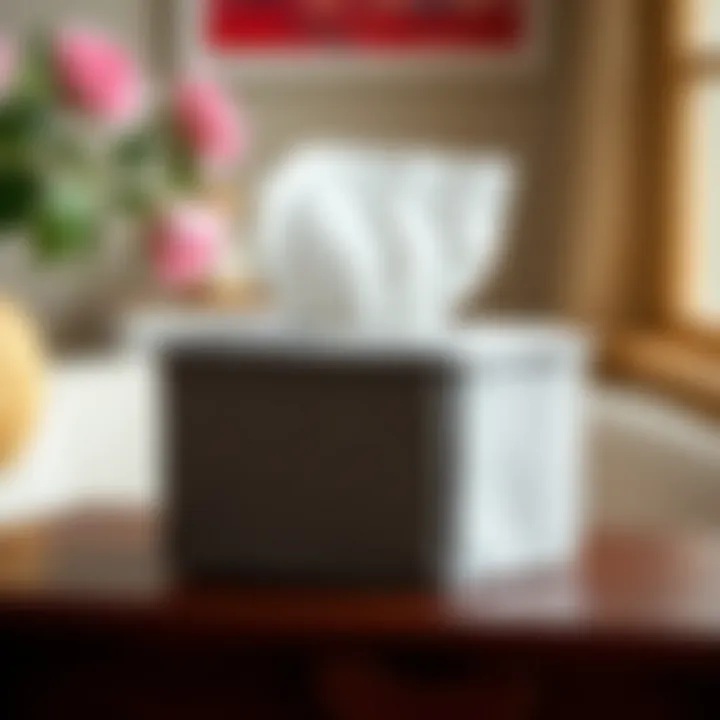
Size and fit cannot be ignored when crafting the perfect tissue box cover. A well-fitted cover not only looks clean and polished but also avoids potential drawbacks. An oversized cover might look unwieldy, while one that is too small could leave gaps, putting the cleanliness of the tissues at risk. These covers need to snugly encompass the tissue box dimensions, ensuring stability without putting pressure on the tissues themselves. The critical takeaway here is that taking precise measurements is essential for ensuring a satisfactory product, preventing disappointment that arises from poor fit.
Ease of Use
Lastly, the ease of use plays a significant role in the functionality of tissue box covers. Users should find it simple to insert and replace tissue boxes without hassle. Some designs even prioritize removal flaps or magnetic closures so that replacement is not just possible but instinctive. The perfect cover makes changing out a tissue box a breeze, showcasing user-centered design that enhances daily life. Ensuring that usability is front and center in the design process allows the maker to cater to real-world scenarios, delivering a product that fulfills its promise of stylish convenience.
Designing Your Felt Tissue Box Cover
Designing a felt tissue box cover goes beyond mere aesthetics. It allows you to transform an everyday item into a reflection of your personal style, enhancing not just functionality but also the visual appeal of your living space. The design process is crucial, as it affects not just how the cover looks but also how well it fulfills its purpose. Effective design incorporates both personal taste and practical considerations, ensuring your tissue box cover is functional, unique, and tailored to your decor.
Inspiration Sources for Creative Designs
Home Decor Trends
Home decor trends can serve as a rich source of inspiration when creating your felt tissue box cover. Currently, there’s a noticeable shift towards minimalism and sustainability in interior design. This alignment with a simpler aesthetic highlights natural materials and neutral colors, making felt an ideal choice since it naturally embodies warmth and texture. Trends point to incorporating bright pops of color, which can stand out against calming palettes, so when you're designing, think about how the tissue box cover can complement or contrast with your current decor.
"Style isn’t just what you wear; it’s how your entire space feels."
The key characteristic of these trends is their emphasis on sustainability. Using eco-friendly materials like wool felt not only contributes to a timeless and chic design but also aligns with a more sustainable lifestyle. However, while minimalism focuses on restraint, you might find it challenging to ensure your cover isn’t too bland, which can sometimes be a downside for those seeking bold expression.
Seasonal Themes
Creating a felt tissue box cover according to seasonal themes can add a dynamic touch to your home decor. Imagine cozy fall leaves and snowflakes for winter. This approach allows you to switch your decor with the seasons, making it fresh and exciting all year round. Seasonal designs offer a personal and whimsical element that can enchant both family and guests.
The unique feature of seasonal themes is their adaptability; they allow you to tailor your home ambiance to festivals and holidays. However, the downside might be the frequency of change. As exciting as it is to craft a new cover for every season, it can also lead to a clutter of various designs if not managed carefully.
Cultural Influences
Cultural influences are another vital aspect to consider while designing your felt tissue box cover. They can inject a story, a heritage, or a personal journey into your creation. For example, if you're inspired by Moroccan patterns, you might incorporate geometric shapes and vibrant colors. Cultural designs allow the artist to express deeper meanings and connections to their background, enriching the crafting experience.
The beneficial aspect here is that these designs can resonate with you or your audience on a personal level, creating a connection beyond the aesthetics. However, it is important to approach such designs respectfully to avoid cultural appropriation. There’s a thin line between inspiration and imitation, so make sure your design is a genuine reflection of your appreciation for that culture.
Choosing Colors and Patterns
When it comes to colors and patterns, the choices are as vast as the imagination itself. One could opt for subtle, muted tones to foster a calm atmosphere or select vibrant hues to inject energy into the room. Patterns can either harmonize with the rest of the decor or create a focal point. Stripes, polka dots, or floral designs can each tell their own story. Selecting colors that work in unison with your existing decor is vital for creating a balanced, visually appealing aesthetic.
Integrating Personal Style into Designs
Integrating personal style into your felt tissue box cover design is perhaps the most fulfilling step. Consider what represents you best: is it bold, graphic lines or perhaps intricate, detailed stitching? Choices in materials can also reflect your personality. Think about whether you prefer a rustic, handcrafted look or something more tailored and sleek. Ultimately, the goal is to create a unique piece that resonates with your own identity and enhances your living space.
Crafting Techniques for Felt Tissue Box Covers
Crafting a felt tissue box cover is as much about technique as it is about creativity. The methods you employ can significantly influence not only the appearance of your cover but also its durability and usability over time. Each technique comes with its own set of tools and considerations, which is why it's essential to understand the crafting process from the ground up.
Having a grasp on the different crafting techniques allows for a personalized touch, ensuring your finished product stands out in both functionality and style. With so many possibilities, the journey of creating becomes not just a means to an end but part of the artistic expression.
Essential Tools and Materials
A well-rounded toolkit is crucial for crafting a quality felt tissue box cover. Below are some items you’ll find indispensable.
Cutting Tools
The right cutting tools can make all the difference in the execution of your design. A rotary cutter, for instance, is highly cherished among crafters because it cuts through layers of felt with precision, creating clean edges that elevate the overall look.
One of the key characteristics of rotary cutters is their ability to work effectively with both straight and curved cuts, allowing for creative flexibility. Although they are popular, they can require a bit more practice than traditional scissors. However, this small learning curve is worth it, as it results in sharp, professional-looking edges.
Adhesives
When it comes to securing your felt pieces together, various types of adhesives are at your disposal. Fabric glue is a commonly used option, ideal because it creates a strong bond without causing the fabric to stiffen.
The unique feature of fabric glue lies in its quick-drying nature, which allows you to keep moving along in your project without long wait times. Even better, it is suitable for both intricate designs and large areas. However, some might argue that it does not hold as well as a stitched seam, but for casual crafting or temporary projects, it serves its purpose exceptionally well.
Sewing Equipment
If you’re looking to add extra durability to your felt tissue box cover, a decent sewing machine should be on your list. Low-speed stitching ensures that you maintain control and accuracy while stitching through the thick layers of felt.
The advantage of using a sewing machine is that it can significantly speed up the process, especially for projects that include multiple pieces or embellishments. However, for those just starting out, the set-up of a sewing machine may feel daunting. Yet, once mastered, the machine can make your crafting experience seamless and effective.
Basic Techniques: Cutting and Sewing Felt
Mastering the basics of cutting and sewing felt is a rite of passage for any crafter. For cutting, always ensure you use a sharp blade to prevent fraying or uneven cuts. When sewing, using a straight stitch retains the integrity of the felt while also allowing for flexibility in design. Making practice swatches can help develop confidence in your cutting and sewing technique.
Advanced Techniques: Appliqué and Embellishments
To truly personalize your felt tissue box cover, advanced techniques can be employed to inject character and depth into your design.
Embroidery
Embroidery is a technique that can add an incredible amount of visual interest. It’s not just decorative, either; it can strengthen seams and structures when done correctly. One of the appealing aspects of embroidery is its versatility. You can employ a variety of stitches to achieve different textures, thus creating detailed works of art.
However, it can be time-consuming and may require a bit of practice to get the stitches looking clean and even, especially for beginners.
Beading
Beading adds a tactile element to felt tissue box covers. This technique allows for personalized flair through colors, shapes, and patterns. The unique feature of beading lies in its immediate impact; even a few beads can transform a simple design into something eye-catching.
Yet, it comes with challenges, from knowing the best place to attach beads to managing weight distribution across the felt, which affects how it drapes.
Felt Painting
Lastly, felt painting can turn a simple box cover into a canvas of imagination. This technique enables crafters to use fabric paints in striking colors and designs. While felt painting allows for a broad range of expression, one should be careful with the types of paints used, as some might not adhere well.
This form of embellishment empowers you to create one-of-a-kind pieces that will certainly be conversation starters.
"Crafting techniques unlock the potential of felt, turning a simple material into a tapestry of personal expression and creativity."
Choosing the right combination of techniques will ensure that your felt tissue box cover is not only beautiful but also built to last.
Customization Options for Felt Tissue Box Covers
Customization adds a personal touch to felt tissue box covers, transforming them from ordinary objects into unique pieces that resonate with individual preferences and styles. Tailoring your covers allows for a deeper connection to the items in your home, reflecting not only utility but also creativity. Here, we will explore various avenues of customization that can enhance both the aesthetic appeal and functional attributes of felt tissue box covers.
Monogramming and Personalization
Monogramming affixes a personal stamp on your tissue box cover, serving as a stylish identifier. It’s about more than just letters—this practice casts a unique light on homemade decor, conveying a sense of ownership and pride. You can opt for classic initials, a full name, or even a meaningful date. Go for vibrant colors to stand out or subtle hues to blend seamlessly with your decor.
This process is often achieved through embroidery, felt appliqué, or even fabric paint, depending on your comfort level and tools at hand. The beauty of personalization lies in its versatility, allowing you to create a conversation starter that differentiates your design from the cookie-cutter options often found in stores. Embracing this element of customization means embracing your style.
The Role of Seasonal and Thematic Embellishments
Every season carries its charm, and incorporating seasonal embellishments into your felt tissue box cover can breathe new life into your decor throughout the year. Think of it as dressing your cover according to the occasion—whether it’s autumn leaves for fall or cheerful flowers for spring. Seasonal themes can elevate the aesthetic impact, aligning it with landscapes outside your window.
Additionally, thematic embellishments can tie your home together as you decorate for events like birthdays, anniversaries, or holidays. A simple adornment can tell a story or evoke memories, making your crafting project much more than a fabric cover. However, a word of caution: too many embellishments can overwhelm the design, making it essential to strike a balance.
Creating Matching Decor Items
When crafting a felt tissue box cover, think about how you can create a cohesive look throughout your living space. Here are a few ways to extend the felt fabric into matching decor items:
Cushions
Cushions not only add comfort but also serve as a visual anchor in your interior design. Crafting cushions from matching felt introduces a unified palette right in your living room or bedroom. This will not only help in creating a cohesive look but also ensure that the room feels well thought out. Soft textures and vibrant hues can blend beautifully with your tissue box cover, making them a perfect companion piece. Consider using various sizes and shapes to create a fluffier, inviting atmosphere.
Table Runners
Table runners are a subtle yet effective way of pulling a theme together, especially during gatherings or special occasions. Using the same felt from your tissue box cover, you can easily craft a table runner that enhances your dining setup. The vibrant colors or patterns will create a seamless transition from your coffee or side table to your dining area. This alignment reflects thoughtfulness, showcasing your attention to detail while offering practical use as well.
Wall Hangings
Wall hangings made from felt can serve as beautiful focal points in any room, providing texture and visual interest. When you put your creativity to work, these can complement your felt tissue box covers beautifully. You might explore different shapes that echo the curves or lines of your tissue box design. While wall hangings can be larger and involve more elaborate designs, they maintain a conversational vibe when sharing the same color scheme or embellishments with your tissue box covers. It’s an added detail that can elevate your entire decor while keeping a friendly warmth in your atmosphere.
"Customization of felt tissue box covers offers an excellent way to express individuality while enhancing the aesthetic charm of a space."
In wrapping up the customization section, it's clear that these options not only amplify personal flair but also provide a rewarding crafting experience, yielding functional art that resonates with you and your home.
Maintenance and Care of Felt Tissue Box Covers
Caring for your felt tissue box cover is just as important as creating its design. Proper maintenance not only prolongs its lifespan, but also preserves its aesthetic qualities. As felt can be a somewhat delicate material, understanding how to clean, protect, and properly store it will ensure that your creation continues to add charm to your space. Here, we’ll take a deeper look into the crucial aspects of maintaining your felt tissue box cover.
Cleaning Methods for Felt
Cleaning felt might seem like a simple task, yet it requires a gentle approach to avoid damaging the fibers. Start with the basics:
- Spot Cleaning: For minor stains, using a damp cloth or sponge with a mild soap solution is ideal. Gently blot the affected area, avoiding any scratching or scrubbing that might cause the fibers to fray.
- Machine Washing: If your felt tissue box cover is soft and sturdy, you can consider machine washing on a delicate cycle. Opt for cold water and a gentle detergent to prevent the fabric from shrinking. Make sure to place it in a laundry bag to further protect it.
- Air Drying: After washing, lay the cover flat on a clean towel to dry, reshaping it as necessary. Avoid hanging it as this could stretch the fibers.
Preventing Wear and Tear
Over time, felt may begin to show its age. To mitigate everyday wear and tear, keep these practices in mind:
- Rotation: If you change your decor regularly, it’s wise to rotate the placement of your felt box cover. This can prevent uneven fading from sunlight exposure.
- Avoid Friction: Keep the cover in areas where it won’t rub against rough surfaces. Even small interactions can cause pilling over time, which detracts from its appearance.
- Regular Inspection: Take a moment every now and then to check for loose seams or fraying edges. Addressing these issues promptly can prevent larger problems.
Storage Recommendations
When it's time to store your felt tissue box cover, choosing the right methods can make a difference.
- Keep it Dry: Ensure the storage area is dry and free from significant humidity. Excess moisture can warp the felt or lead to mold growth over time.
- Avoid Compression: Store your cover flat, rather than folded, to avoid creasing. Placing it between layers of acid-free tissue paper can also help retain its shape.
- Organizing: If you have multiple covers, store them in a designated compartment or box to keep them free from snagging on other items.
"The way we care for our handmade items can reflect our appreciation for craftsmanship. A diligent approach to maintenance allows your felt tissue box cover to stand the test of time."
By implementing these maintenance and care tips, you can ensure that your felt tissue box cover remains a beautiful and functional addition to your home for years to come.
The Cultural and Artistic Significance of Felt Crafting
Felt crafting possesses a rich cultural and artistic significance that extends beyond mere functionality. This art form has roots traversing centuries and continents, reflecting the values, traditions, and creativity of diverse communities. Understanding this aspect not only enhances the crafting experience but also emphasizes the impact of felt as a medium. The beauty of felt crafting lies in its ability to connect people through shared history and expression, making it essential to explore in any guide about felt tissue box covers.
Historical Context of Textile Arts
Textiles have been a form of artistic expression since ancient times. Felt, one of the oldest textiles known to humanity, was used by nomadic tribes in Central Asia, where the art of felting evolved as a practical solution for insulation and protection in harsh climates. The first felt artifacts trace back to approximately 6400 BC, showcasing its importance across various cultures as a vital resource for shelter and sustenance. Felt not only served a purpose but also manifested the skills and artistry of its makers.
Felt has been linked to essential rituals and traditions. For example, the Mongolian ger, or yurt, is often adorned with beautifully crafted felt, telling stories of lineage and heritage. Each piece reflects the weaver’s identity while contributing to a collective culture of community and craftsmanship. As we pivot into the modern era, the historical context of felt reminds us of its unique charm and how it intertwines with people’s lives.
Felt Crafting in Contemporary Art
In today's artistic landscape, felt has found a new voice among contemporary artists and craftspersons. Designers challenge traditional notions by exploring felt in innovative ways, merging time-honored techniques with modern aesthetics. Artists such as Kyuuto! and Emma S. have showcased felt in installations that provoke thought about materiality and human experience.
Felt’s versatility allows it to be transformed into sculptures, wearable art, and conceptual pieces, pushing boundaries and creating dialogues in galleries and public spaces. Notably, felt’s accessibility encourages emerging artists to use the medium as a stepping stone, contributing to a vibrant community steeped in creativity and collaboration. Local craft fairs and workshops also promote this blossoming interest in felt, where individuals learn to appreciate not just the art, but the stories and traditions behind it.
Felt as a Medium for Artistic Expression
Felt’s unique texture and quality provide a canvas that allows for rich artistic expression. Its softness in both touch and appearance has the power to evoke emotions, making it a popular choice for projects aimed at enhancing home decor. Crafting a felt tissue box cover goes beyond the functional aspect; it becomes a platform for individuality and creativity.
Through techniques like felting, appliqué, and embroidery, artists can convey personal stories and emotions. The process is often meditative, engaging makers in a mindful journey of self-exploration. Moreover, felt embellishments, such as decorative stitching and color choices, can symbolize cultural identities or seasonal themes, creating connections between the artwork and broader experiences.
- Symbol of Comfort: Felt evokes feelings of warmth and security, making it perfect for home accessories like tissue box covers.
- Rich Customizability: Its ability to be dyed, layered, and stitched allows crafters to tailor their pieces uniquely.
- Eco-Friendly Material: With the rising significance of sustainability, felt presents an option for eco-conscious creations, often made from recycled fibers.
Overall, felt crafting merges history with modernity, giving birth to a resourceful and expressive medium.
This artistic significance of creating felt tissue box covers—particularly the deeper community connections, emotional resonance, and the celebration of heritage—enriches not only the craft itself but also the lives of those who engage with it.
Finale: The Future of Felt Tissue Box Covers in Home Decor
As we navigate through an ever-changing landscape of home decor, the importance of felt tissue box covers becomes increasingly clear. No longer just a simple accessory, these covers embody a blend of style and functionality that adds depth to any room. They are more than mere containers for tissues; they serve as a canvas for expressing personal aesthetics, capturing the essence of design trends, and fostering creativity in home interiors.
Evolving Trends and Innovations
In recent years, there has been a notable shift toward eco-conscious decor. Felt, a versatile material, fits seamlessly into this narrative. Innovations in felt crafting have embraced techniques that allow for bold patterns, intricate designs, and an expanded palette of colors. From geometric designs to intricate florals, the variations in design have made felt tissue box covers a centerpiece rather than an afterthought.
In addition to aesthetic flexibility, many crafters are exploring mixed-media approaches, where felt is combined with other materials such as wood, metal, or even glass. This sophistication creates a striking visual dynamic. With fibers evolving too, there’s an increase in blends that enhance the softness and durability, making covers not just visually appealing but long-lasting as well.
"The beauty of felt tissue box covers lies in their adaptability—each piece can reflect the personality and taste of its owner while maintaining practicality."
Progress doesn’t stop there; automation and digital technology are branching into felt crafting as well. With the rise of 3D printing and laser cutting, designers can create precise and complex shapes that were once tedious and time-consuming. This democratization of crafting tools allows more people, incluidng those who may not have traditional crafting skills, to engage in making bespoke felt covers.
Sustainability in Felt Crafting
Another key aspect shaping the future of felt tissue box covers is the focus on sustainability. As consumers increasingly prioritize environmentally friendly choices, the felt industry is responding with ethically sourced materials. For instance, the surge in recycled polyester felt offers an alternative that meets both eco-friendly values and practical needs. Such advancements contribute to less waste in our communities while providing durable decor solutions.
Moreover, the appeal of handmade items persists as consumers look for unique, personal touches in their surroundings. Supporting local artisans who craft these felt covers not only promotes sustainability but also fosters a sense of community. By choosing handmade felt items, individuals support responsible production practices and contribute to the preservation of traditional crafts.
For more info on sustainable crafting, you might want to check out the following resources:
Embracing felt crafting not only adds charm to living spaces but also tunes into a larger cultural movement supporting sustainability and creativity.