
Understanding the Effectiveness of Sweat Ab Belts
Intro
In recent years, the fitness industry has exploded with new products claiming to enhance workouts and improve body composition. One such product that has stirred both interest and skepticism is the sweat ab belt. These belts are designed to help individuals sweat more during workouts, purportedly leading to quicker fat loss around the abdominal area. But do they really work, or are they just another fad?
As we peel back the layers on sweat ab belts, we’ll explore their functionality, effectiveness, and the science—or lack thereof—behind them. This comprehensive guide will also touch on user experiences, popular alternatives, and what to keep in mind before jumping on the bandwagon. For anyone looking to make informed decisions about their fitness journey, understanding the ins and outs of sweat ab belts is paramount.
It's essential to note that while these belts might seem attractive at first glance, there's a multitude of factors to consider, from design to potential impact on your workouts. Our goal is to present you with a clear, no-nonsense overview of what sweat ab belts entail while sorting fact from fiction.
Understanding Sweat Ab Belts
Sweat ab belts have carved out a niche in the fitness industry. With the allure of quick results, many people are intrigued by what these products promise. However, understanding sweat ab belts goes beyond mere curiosity. It enables individuals to distinguish between myths and facts, making informed decisions on their fitness journey. The importance of this topic lies in the need for clarity about how these belts function and their role in the broader fitness landscape.
Definition and Mechanism
At their core, sweat ab belts are designed to wrap around the abdominal area, typically made from materials like neoprene or other heat-retaining fabrics. The fundamental idea is quite simple: by trapping heat and increasing core temperature, they induce sweating during workouts or everyday activities. This creates an environment that proponents believe helps to shed excess water weight.
Yet, it’s essential to recognize that this mechanism primarily leads to temporary weight loss through water loss rather than fat loss. Essentially, what appears as a slimmer waistline after a workout might just be an illusion, as any weight lost through sweat is quickly regained once fluid intake resumes. Therefore, understanding the mechanism of sweat ab belts helps clarify expectations for individuals considering this fitness tool.
Historical Context
The concept of enhancing workouts through external equipment is not new. Historically, athletes and fitness enthusiasts have sought ways to amplify their training outcomes. The use of wraps and belts can be traced back to various cultures, with early examples of body wraps intended for thermal regulation. Sweat ab belts, as we know them, gained traction in the late 20th century when fitness culture saw a significant boom.
In the 1980s and 1990s, the fitness market began to flood with products claiming to be revolutionary. It was during this period that sweat ab belts started to gain popularity, fueled by infomercials and endorsements claiming rapid abdominal fat loss. However, the evolution of these products has undergone scrutiny, with varying degrees of effectiveness often debated among fitness experts and enthusiasts.
Understanding the historical context of sweat ab belts allows potential users to appreciate how these tools fit into the ever-changing landscape of fitness. It highlights the blend of desperation and innovation within the health and wellness world, urging careful consideration of their actual benefits and limitations.
The Science Behind Sweat Ab Belts
Understanding the science behind sweat ab belts is essential for those looking to optimize their fitness regime. These devices are marketed as tools that not only enhance physical appearance but also promote sweating during workouts. However, digging deeper into the mechanisms at play can help dispel myths and set realistic expectations for users. The core of our exploration will focus on two critical aspects: thermogenic effects and their role in fat loss.
Thermogenic Effects
One of the primary claims supporting the efficacy of sweat ab belts is their thermogenic effect. The theory posits that by wearing these belts, the body experiences an increase in temperature in the targeted area, thereby inducing sweating and caloric burn. However, how does this actually translate into results?
- Increase in Body Temperature: When physical activity is paired with a sweat belt, the material traps heat. This rising temperature can trick the body into behaving as if it is working harder than it actually is. This doesn’t magically melt away fat, but it can lead to increased perspiration.
- Caloric Burn: It's crucial to note that the amount of calories burned due solely to sweating is minimal. A study could find that on average, individuals may sweat out a few ounces of water, leading to temporary weight loss, which is misleading as it’s primarily water weight.
In summary, while wearers may feel like they’re shedding pounds, the reality is quite different. The effect may offer a psychological edge, as individuals might feel they’re sweating more, thus exerting themselves better during exercise.
Role in Fat Loss
Next up, we need to unpack how sweat ab belts fit into the larger narrative of fat loss. While they may provide a feeling of working out more intensely, achieving substantial fat loss requires a multi-faceted approach.
- Complement to Diet and Exercise: Sweat ab belts do not replace the need for a balanced diet or regular exercises like cardio and strength training. They can foster a mindset of dedication but should be regarded as an accessory to an existing fitness scheme rather than a standalone option.
- Short-term Results vs. Long-term Goals: Many users might find the allure of a quick fix appealing, hoping that sweat ab belts will lead to noticeable results. In reality, any initial improvements are often water weight and do not equate to fat loss. A sustainable exercise plan is paramount.
"Sweat belts may make you sweat, but fat loss is a marathon, not a sprint—consistency and dedication are the true keys."
In essence, understanding both the thermogenic effects and fat loss implications of sweat ab belts helps set realistic expectations. While they can play a supportive role in a comprehensive fitness strategy, they are not a magical solution. Knowledge here is power, and it can guide users towards smarter choices in their fitness journeys.
Evaluating Effectiveness
Evaluating the effectiveness of sweat ab belts is crucial, especially for anyone seeking to enhance their fitness journey. Undeniably, in a market filled with countless fitness products claiming magical results, it is essential to dissect the real impact these belts have on abdominal workouts and fat loss. Understanding this topic equips users with the knowledge needed to set realistic goals and expectations. Moreover, discussing effectiveness fosters an informed decision-making process when considering the purchase of such products.
User Testimonials
Personal experiences from actual users provide invaluable insight into the practicality and outcomes associated with sweat ab belts. Many individuals share their journeys, often filled with mixed feelings. Some users rave about their positive experiences, claiming noticeable results in their abdominal tightness and sweat production during workouts. Bits of feedback often highlight how the belts enhance their motivation to exercise, presenting a psychological boost for their routines.
For instance, a user named Marco shared, "I used the belt during my regular workouts, and I've started to see a lovely layer of sweat that wasn't there before. I feel like I'm really working hard, which makes me want to push myself even more."

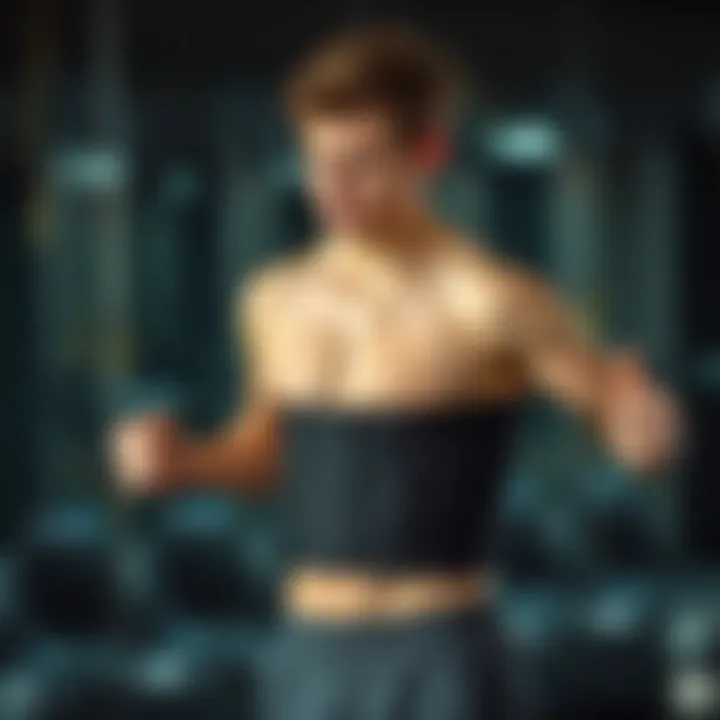
However, not all testimonies sing praises. Several users report minimal to no observable changes in muscle definition or weight loss, questioning the overall effectiveness of sweat ab belts. Reviews often oscillate between commendations for added warmth and discontent regarding frustratingly slow results. Many conclude that while the belts may help in increasing perspiration, using them alone isn't a miracle solution for six-pack abs.
Ultimately, testimonials paint a nuanced picture. While real experiences serve as a guide to potential outcomes, it’s important to filter these stories through a lens of realism that considers individual body types, fitness levels, and overall lifestyle.
Clinical Studies and Evidence
When it comes to assessing the effectiveness of sweat ab belts, leaning on clinical studies offers a more scientific perspective. Despite a plethora of anecdotal evidence floating around, rigorous research provides a clearer view of the belts' claims.
A study published in the Journal of Strength and Conditioning Research assessed the thermogenic effect of wearing sweat-belts during exercise. The findings revealed that while participants did experience increased sweat production, it did not necessarily correlate with fat loss or significant improvements in body composition over a sustained period. Essentially, while sweat is often touted as a sign of productivity, it's crucial to recognize that it often primarily consists of water, rather than fat. This proves that shedding excess water weight is a temporary fix and doesn't equate to lasting results.
Moreover, another systematic review examined various fitness aids, including sweat ab belts, and found a lack of conclusive evidence indicating that they contributed meaningfully to fat reduction or muscle definition without a concurrent diet and exercise regimen. This raises a significant point: the belts should not be considered a standalone solution. For long-term effectiveness, combining these belts with consistent exercise and healthy eating habits appears to be more effective.
Potential Benefits
The section on potential benefits is pivotal in understanding why individuals might incorporate sweat ab belts into their fitness regimen. These belts are marketed with promises of enhanced workouts, improved posture, and increased motivation. By diving into these aspects, we can demystify some of the claims and offer a realistic look at how these devices might fit into a fitness lifestyle.
Enhanced Abdominal Workouts
Let's start with enhanced abdominal workouts. The idea here is that sweat ab belts, by creating heat around the midsection, can intensify workouts. When engaged during exercises like crunches or planks, the increased warmth might lead to an uptick in sweat production. This, in turn, can give the illusion of a harder workout, but does it really equate to better results?
Studies suggest that while these belts may increase sweat production, it doesn't necessarily translate into significant fat loss or muscle gain. The presence of sweat can be misleading. While it feels as though you're working harder, the actual caloric burn during ab-centric exercises involves deeper factors, such as intensity and duration. That said, when combined with a structured workout plan, the belts could serve as an adjunct that makes users feel more engaged and targeted during their routines.
Improved Posture
On the topic of improved posture, it's interesting to note how some users report that wearing these belts can encourage a more upright stance during workouts. The design of sweat ab belts often involves compression, which may help remind users to tighten their core muscles. Over time, this can contribute to better alignment and form.
However, this is a double-edged sword. While improved posture is beneficial, it's essential for users to engage in core-strengthening exercises independently. Relying solely on a belt could lead to a lack of natural strength development in the core muscles. Therefore, it's wise to combine belt use with specific workouts that target the abdominal and surrounding muscles.
Increased Motivation
Last but not least, increased motivation is a notable benefit that users often mention. Wearing a sweat ab belt can create a sense of purpose during workouts. It can serve as a physical reminder of one’s commitment to fitness. Individuals often feel more dedicated when they invest in tools that are marketed to help achieve their fitness goals.
Nevertheless, motivation can be a fickle friend. It's critical that people do not solely depend on a sweat ab belt for their motivation to exercise. Rather, the belt should complement a comprehensive fitness strategy that includes various forms of exercise and healthy eating habits.
In summary, while the potential benefits of sweat ab belts can sound encouraging, one must approach them with a discerning mind. The belts can enhance workouts and may even help improve posture, but they are not a magic solution. Pairing them with a well-rounded exercise regime can yield the best outcomes for fitness enthusiasts seeking to refine their abdominals.
Risks and Considerations
When considering the use of sweat ab belts, it's crucial to be aware of the potential risks and considerations involved. While these devices are marketed as promising tools for enhancing fitness, users must be informed to make better choices and achieve realistic results. In this section, we dive into two primary aspects: skin irritation and discomfort, as well as false expectations.
Skin Irritation and Discomfort
The first point to address revolves around the skin's response to prolonged contact with sweat ab belts. Many users experience skin irritation, which can range from mild redness to more severe rashes. This discomfort typically stems from a few culprits:
- Material Sensitivity: Some materials used in these belts might not be skin-friendly, especially for those with sensitive skin. If you have allergies, pay close attention to the composition of the fabric.
- Heat Buildup: Given that these belts are designed to promote sweating, the heat generated can exacerbate irritation. Wearing such a belt for extended periods can turn an intense workout into an uncomfortable experience.
- Improper Fit: If the belt is either too tight or too loose, not only can it impair your workout, but it can also lead to chafing, contributing to discomfort over time.
To minimize these issues, it is pivotal to choose a belt that fits snugly but not uncomfortably. Test it out during shorter sessions to gauge how your skin reacts before committing to longer use.
False Expectations
Another key consideration is the expectations one may have when adopting the use of sweat ab belts. The marketing lingo can sometimes be misleading, leading individuals to believe that wearing a belt alone will deliver a six-pack without any need for effort. Here are several insights on this:
- Fat Loss Misconceptions: Many assume that sweating equals fat burning, but that's not the whole story. While sweating does indicate that your body is working, it does not solely result in fat loss. Reduction in water weight can happen quickly, leading to an illusion of progress.
- Targeted Fat Reduction Myth: The belief that sweat ab belts can target belly fat specifically is another misunderstanding. Spot reduction is largely debunked; fat loss occurs throughout the body in a generally genetic pattern.
- Transformations Without Effort: Some reviews promote the idea that users can sit back and watch their abs become defined simply by wearing the belt. This narrative underestimates the merit of consistent exercise and a balanced diet.
"Users may find results more achievable if they integrate sweat ab belts into a broader fitness regimen rather than relying on them in isolation."
In summary, while sweat ab belts can be beneficial tools when used appropriately, understanding the potential risks and addressing the misconceptions surrounding them is critical. Effective utilization involves not only comfort but also realistic expectations alongside traditional forms of exercise. Always listen to your body when trying out a new fitness gadget.
Choosing the Right Sweat Ab Belt


Finding the right sweat ab belt can make a significant difference in the overall effectiveness of your fitness journey. With options flooding the market, understanding which belt stands out for your specific needs is crucial. A proper choice can enhance the comfort of your workouts, improve your results, and even prevent wear and tear on your body that might arise from using an ill-fitting or poorly constructed product. Here, we’ll dive into two essential aspects of choosing a sweat ab belt: material considerations and sizing and fit.
Material Considerations
When it comes to sweat ab belts, the material they are made from plays a pivotal role in their performance and your overall experience. Opting for high-quality materials can make your workout not only more effective but also more comfortable. Many belts are crafted from neoprene due to its heat-retaining properties, which helps increase sweating during workouts. However, not all neoprene materials are of equal quality.
- Breathability: Some neoprene blends have ventilation slots, which can help keep you cool and comfortable while you sweat. Look for belts that advertise moisture-wicking capabilities to keep sweat from accumulating.
- Durability: A durable belt is essential for long-term use. Check product reviews to see if the material holds up over time and under intense workouts. You wouldn’t want to shell out cash only for it to fall apart after a couple of uses.
- Allergy Considerations: If you have sensitive skin or allergies, the material can cause skin irritation. Look for belts made from hypoallergenic materials if this is a concern.
The right material not only contributes to the comfort but also to the efficiency of the belt in facilitating a more intense sweating session, which can be particularly beneficial when embarking on rigorous abdominal workouts.
Sizing and Fit
Choosing the correct size and fit can be the difference between a belt that aids your workout and one that hinders it. A belt that is too tight can cut into your skin, leading to discomfort and irritation, while one that is too loose might not offer the intended benefits.
- Measuring Your Waist: Understanding how to properly measure your waist is the first step. Usually, measuring around the natural waistline gives you a good starting point. Consider measuring at a point where you feel most comfortable, as this can vary from person to person.
- Adjustable Features: Many belts come with adjustable straps or Velcro closures. This feature can be incredibly beneficial as it allows you to customize the fit based on your workout intensity or body fluctuations.
- Consult Size Charts: Always refer to the manufacturer's size chart. Brands might differ in their sizing, and what fits perfectly in one brand might not in another.
Getting the right fit can boost not just your performance but also your confidence in the process. A well-fitting belt means you can focus on your workout rather than adjusting or dealing with discomfort.
In summary: Pay attention to materials and ensure you find a belt that fits snugly yet comfortably. By selecting the right sweat ab belt, you enhance your training effectiveness and ensure a more enjoyable workout experience.
For more detailed insights and user experiences regarding different sweat ab belts, you can explore forums and reviews on sites like Reddit or check fitness-related articles on Wikipedia.
Wearing the right equipment is just one aspect of optimizing your fitness journey, but it is a significant step that should not be overlooked.
Usage Guidelines
Understanding how to properly utilize sweat ab belts plays a pivotal role in maximizing their potential benefits. These guidelines not only ensure effective results but also help users avoid common pitfalls that may arise from misuse. By following specific recommendations on usage, individuals can better integrate these products into their fitness routines, enhancing their abdominal workout outcomes and overall engagement with fitness goals.
Frequency and Duration of Use
Utilizing a sweat ab belt requires deliberate attention to frequency and duration for safe and effective use. A recommended approach would be to wear the belt during workouts, particularly during abdominal exercises. An ideal duration could range from 30 to 60 minutes per session, depending on personal comfort and fitness level. Starting with shorter intervals is wise, as it allows the body to adapt; gradually increasing duration helps prevent discomfort or skin irritation.
The frequency of use can also differ from person to person. However, aiming for three to five times per week can strike a balance, ensuring that the abdominal muscles are consistently stimulated without leading to overuse. This frequency aligns the sweat ab belt’s thermogenic effects with a comprehensive workout plan that supports fat loss and muscle engagement.
A key point to consider is hydration. Sweating excessively can lead to dehydration, especially if one wears the belt for extended periods. Thus, pairing usage with proper hydration before and after workouts is essential.
Complementing Exercise Regimens
Sweat ab belts should not be viewed as standalone solutions but rather as complements to existing exercise regimens. These belts can enhance traditional ab workouts, elevating the effort one puts into exercises like crunches, planks, and bicycle kicks. Combining the belt's thermogenic qualities with targeted exercises can yield improved results.
For instance, utilizing the belt while performing a range of core workouts, such as leg raises, mountain climbers, or Russian twists, can optimize muscle activation. This synergistic approach ensures that users get the most out of their fitness routines. Additionally, varying exercises while wearing the belt can keep workouts fresh and engaging, reducing the likelihood of plateauing in progress.
It's also helpful to regions both cardio workouts and strength training. Engaging in aerobic activities, like jogging or cycling, while wearing the belt may further assist in fat reduction around the abdominal area, nudging users toward their desired fitness goals.
Ultimately, by following these guidelines, users will not only harness the benefits of sweat ab belts but develop a holistic approach to improving overall fitness. This thoughtful integration caters to a comprehensive athletic routine while addressing individual needs and preferences.
Sweat Ab Belts vs. Traditional Ab Exercises
The debate between sweat ab belts and traditional ab exercises has been brewing for some time now. With more individuals looking for efficient ways to manage their fitness goals, this topic is crucial in understanding how to best engage our core muscles to gain desired results.
Sweat ab belts claim to offer a simple way to enhance workouts without the need for extensive physical exertion. On the other hand, traditional workouts rely on proven principles of physical training to build muscle and core strength. With varying benefits and considerations, it's vital to explore both approaches thoroughly to help fitness enthusiasts make informed decisions.
Comparative Analysis
In comparing sweat ab belts to traditional ab exercises, several factors come into play. The most glaring one is effectiveness in achieving desired results. Traditional ab exercises like crunches, planks, and leg raises need to be performed consistently. They target muscle groups directly, resulting in muscle growth and endurance over time. These exercises not only work the abdominal muscles but also engage other related muscle groups, enhancing overall strength and stability.
In contrast, sweat ab belts aim to induce sweating around the abdominal area, relying on thermogenic properties. While wearing the belt may provide a sense of a workout, the actual muscle engagement is minimal.


Also, it’s worth noting that sweat loss doesn’t correlate directly with fat loss. An individual might sweat abundantly under a belt, but fat loss primarily occurs when combining proper diet and rigorous activity. On this front, traditional exercises have proven more reliable in the long run.
While belts may encourage water weight loss—a temporary effect—it cannot measure up to the long-lasting benefits of performing core exercises. Additionally, workouts utilizing body weight and resistance band strength not only help with muscle definition but also promote functional fitness, which is beneficial for daily activities.
Integrating Both Approaches
A balanced approach may indeed yield the best results. By blending sweat ab belts with traditional workouts, users can create a more diverse fitness routine. For instance, using a sweat ab belt during traditional ab exercises, like sit-ups or planks, may amplify the effort put into the workouts while providing an increased focus on thermogenesis.
This integration can encourage individuals to push harder during their workouts, taking advantage of the additional sweating during the exercises. Moreover, a catch-all routine helps maintain motivation, as the novelty of using a belt can spice up an otherwise repetitive exercise regimen.
Nevertheless, integrating approaches should be approached with caution. It remains crucial to understand the limitations of what sweat belts can achieve. Using them as supplementary tools, rather than primary workout methods, aligns well with making fitness choices conducive to long-term health and strength.
"Fitness is not just about what you do at the gym. It’s about the habits, lifestyle, and routines you build every day."
For more perspectives on fitness integration, readers can check out resources such as Wikipedia, or explore discussions on Reddit's fitness communities.
Overall, the balance of sweat ab belts with traditional exercises allows users to benefit from both worlds, leading to unique strategies in pursuing fitness goals.
Alternatives to Sweat Ab Belts
When considering fitness routines, it's vital to explore a range of tools available to assist in achieving one’s goals. Sweat ab belts often grab the spotlight, but they are not the only game in town. Exploring alternatives to these belts can provide a broader understanding of what can effectively enhance workout routines and overall wellness. Many fitness enthusiasts are looking for ways to break through plateaus or spice up their routines, making it crucial to know what other options are available and what they offer.
Traditional Workout Equipment
Traditional workout equipment remains a cornerstone in exercise regimens, providing effective ways to strengthen and tone the body without the reliance on sweat ab belts. Let's discuss some common pieces of equipment:
- Dumbbells: They're versatile and can be used for various abdominal exercises, such as weighted sit-ups or Russian twists. Not only do they help build strength, but they also offer the added benefit of enhancing muscle definition.
- Medicine Balls: These can be utilized for diverse movements that engage the core. With workouts like medicine ball slams or rotational throws, users can increase stability and functionality while maximizing calorie burn.
- Resistance Bands: An excellent alternative for toning the abdominal area, resistance bands can be adjusted for intensity, making them suitable for beginners and advanced users alike. They offer unique challenges to core workouts with added resistance.
Incorporating these pieces not only surrounds you with tried-and-true workout methods but can also encourage dynamic movements, keeping workouts both interesting and effective.
Modern Fitness Technology
In the age of digital fitness, modern technology presents an exciting array of alternatives that can elevate the workout experience beyond sweat ab belts. Here are some noteworthy options:
- Smart Fitness Devices: Equipment like smart kettlebells or interactive fitness mirrors can provide real-time feedback, tracking your performance while suggesting adjustments for improvement.
- Fitness Apps: Many applications can guide you through diverse workouts focusing on core strength and provide customization options based on personal goals. They often come with instructional videos, ensuring correct form while executing exercises, which is crucial for avoiding injuries.
- Wearable Fitness Trackers: Devices like fitness bands and smartwatches can track heart rate, workout intensity, and calories burnt during various forms of exercise, allowing users to monitor their progress in an informed way. Although they don’t directly teach core strength like sweat ab belts may claim, the insights they provide can map the journey toward fitness milestones.
These alternatives open up a world of possibility, encouraging individuals to create an engaging workout environment conducive to both enjoyment and results. By looking beyond sweat ab belts, individuals can find tools that resonate with their preferences and fitness aspirations.
"Variety is the spice of life, and that stands true in fitness as well! Finding the right combination of workout methods can lead to both enthusiasm and progress."
Closure and Final Thoughts
Sweat ab belts are more than just a fad in the fitness world; they represent a convergence of technology and the desire for efficient workouts. By exploring their functionalities, users can gauge their effectiveness and relevance in their personal fitness journeys. Key insights drawn from user experiences and scientific evidence provide a balanced view of what these devices can achieve. Many folks find them beneficial as an adjunct to traditional workouts, but it’s crucial to maintain realistic expectations.
"It isn’t only the sweat that counts; it’s how you channel that energy towards your fitness goals."
As we summarize the salient points, it’s crucial to highlight:
- Functionality: Sweat ab belts work on the principle of heat retention to potentially boost sweating in the abdominal area during workouts.
- User Feedback: Several testimonials indicate varying levels of satisfaction, often based on individual workout routines and personal goals.
- Complementary Use: These belts should ideally supplement, not replace, steadfast exercise and a balanced diet to truly foster fitness improvements.
In the grand scheme, understanding the role of sweat ab belts means recognizing their potential as a tool for motivation and focus in abdominal training. They fit into a lifestyle that values tenacity and discipline, ultimately underlining the important notion that fitness is a holistic endeavor.
Summarizing Key Insights
Reflecting on the exploration of sweat ab belts reveals a tapestry of opinions, scientific implications, and varied user experiences. Here are the synthesized key points:
- Enhanced Workout Results: While some users report noticeable effects, others feel they do no more than a regular workout without these belts.
- Cautions on Usage: Skin irritation remains a common concern. It's a good idea to test the belt on a small skin area before extended use.
- Holistic Approach: Fitness fads come and go; what remains timeless is the foundational principle of blending various strategies—nutrition, training techniques, and sufficient rest—to secure lasting change.
Future of Sweat Ab Belts in Fitness
The future of sweat ab belts in the fitness landscape appears promising yet scrutinized. As people continue to look for ways to optimize their workout effectiveness, innovations in this space are likely to emerge:
- Technology Advancements: We might see belts equipped with sensors that provide data on heart rate and caloric burn, making workouts more data-driven.
- Integration in Neon Trends: With connectivity to apps, users might enjoy more tailored experiences—personalized feedback could motivate individuals to stay committed to their routines.
- Sustainable Materials: As consumers prioritize eco-friendliness, manufacturers might pivot towards biodegradable or recyclable materials, enhancing appeal to a conscientious audience.
Expect the fitness industry to remain dynamic, but one truth holds: consistent effort combined with informed choices will always yield the best results in the long run.